AIP(AI Platform)란 무엇인가
Foundry에 내장된 생성형 AI 계층을 소개합니다.
온톨로지, Foundry, AIP를 개념부터 실제 설계 의사결정까지 연결합니다.
Making Enterprise Data
Understandable to AI
— A Practical Knowledge Map
Connecting Ontology, Foundry, and AIP from core concepts to real design decisions.
카테고리 나열 대신, 독자의 질문과 학습 목적을 기준으로 시작점을 제공합니다.
Ontology와 Foundry의 구조를 이해하고 데이터 기반을 만듭니다.
학습 경로 보기 → 02 · BUILDAIP, AI UX, Agent Workflow를 실제 업무 흐름에 연결합니다.
구축 가이드 보기 → 03 · STRATEGY기업 데이터 위에서 AI를 안전하게 활용하는 판단 기준입니다.
전략 글 보기 → 04 · SERIES팔란티어를 몰라도 시작할 수 있는 AI 에이전트 입문 6편입니다.
시리즈 보기 →Instead of a category list, we give you a starting point based on your question and goal.
Understand the structure of Ontology and Foundry and build a data foundation.
See learning path → 02 · BUILDConnect AIP, AI UX, and Agent Workflow to real work.
See build guide → 03 · STRATEGYDecision criteria for using AI safely on top of enterprise data.
See strategy posts → 04 · SERIESA 6-part intro to AI agents — no Palantir knowledge required.
See the series →단순 챗봇이 아닌, 데이터·사용자 경험·에이전트를 함께 설계하는 글입니다.
Foundry에 내장된 생성형 AI 계층을 소개합니다.
자동화의 범위와 사람의 의사결정을 구분합니다.
Agent와 Workflow를 함께 설계하는 방법입니다.
Not just a chatbot — articles on designing data, UX, and agents together.
An introduction to the generative AI layer built into Foundry.
Separating the scope of automation from human decisions.
How to design Agents and Workflows together.
기술 유행이 아니라 기업 데이터와 의사결정의 관점에서 AI 도입을 검토합니다.
질문과 답변만으로 해결되지 않는 문제를 짚습니다.
두 접근법의 역할을 구분합니다.
기능 목록이 아닌 운영 가능성을 판단합니다.
We look at AI adoption from the angle of enterprise data and decision-making, not hype.
The problems Q&A alone doesn’t solve.
Separating what each approach is for.
Judging operability, not just feature lists.
공식 문서와 실제 설계 맥락을 바탕으로, 이해하기 쉬운 언어로 다시 설명합니다.
Re-explained in plain language, grounded in official docs and real design context.
처음이라면 이 4편으로 시작하는 걸 추천합니다.
New here? These four posts are the best place to start.
New to Ontology? Start here
HubEvery Ontology post in one place
AIPWhy AIP is built differently
ArchitectureThe whole structure in one page
Foundry·온톨로지·기업 AI를 이해하는 데 도움이 되는 실전 메모와 가이드입니다.
Practical notes and guides to help you understand Foundry, Ontology, and enterprise AI.

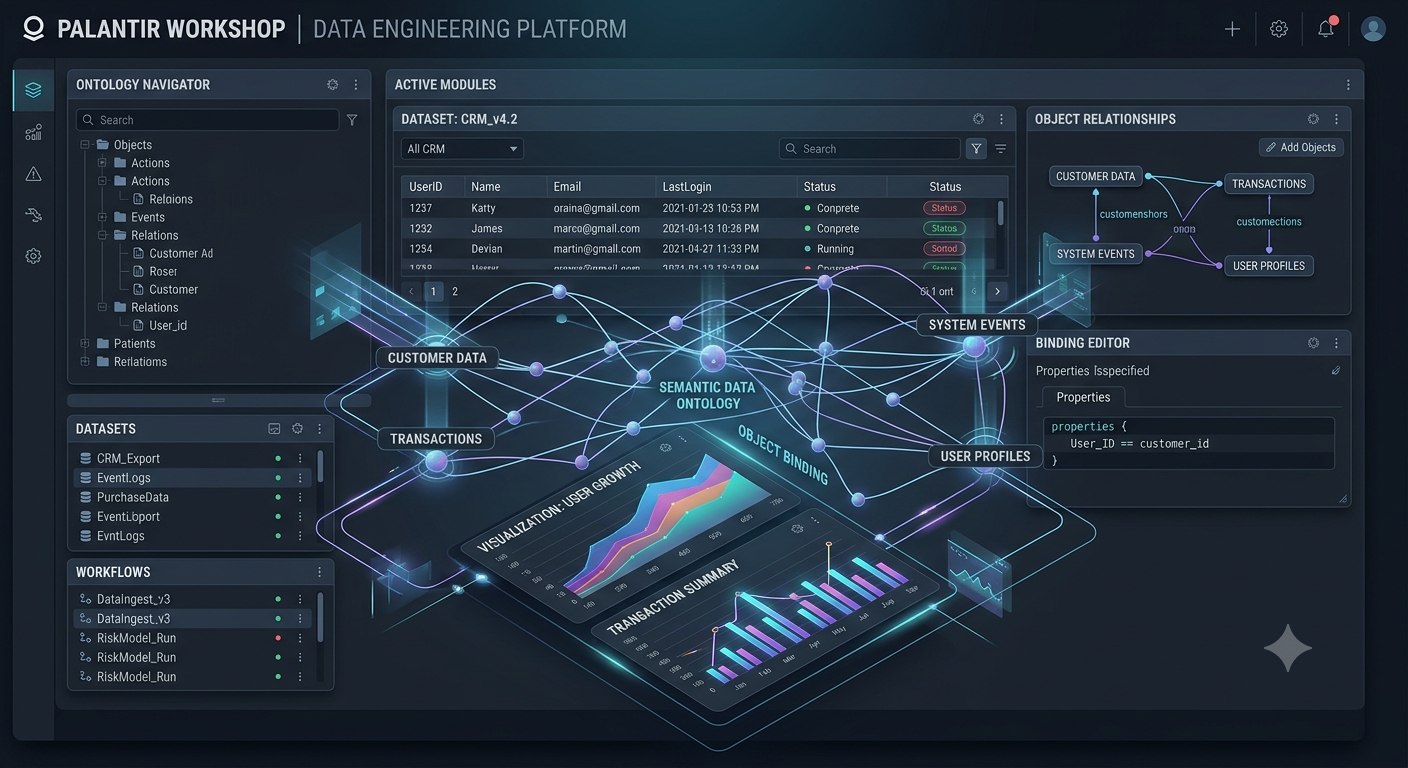
How Palantir Foundry’s Workshop actually works — widget composition, the ontology object binding mechanism, and the mistakes that cause the most rework.
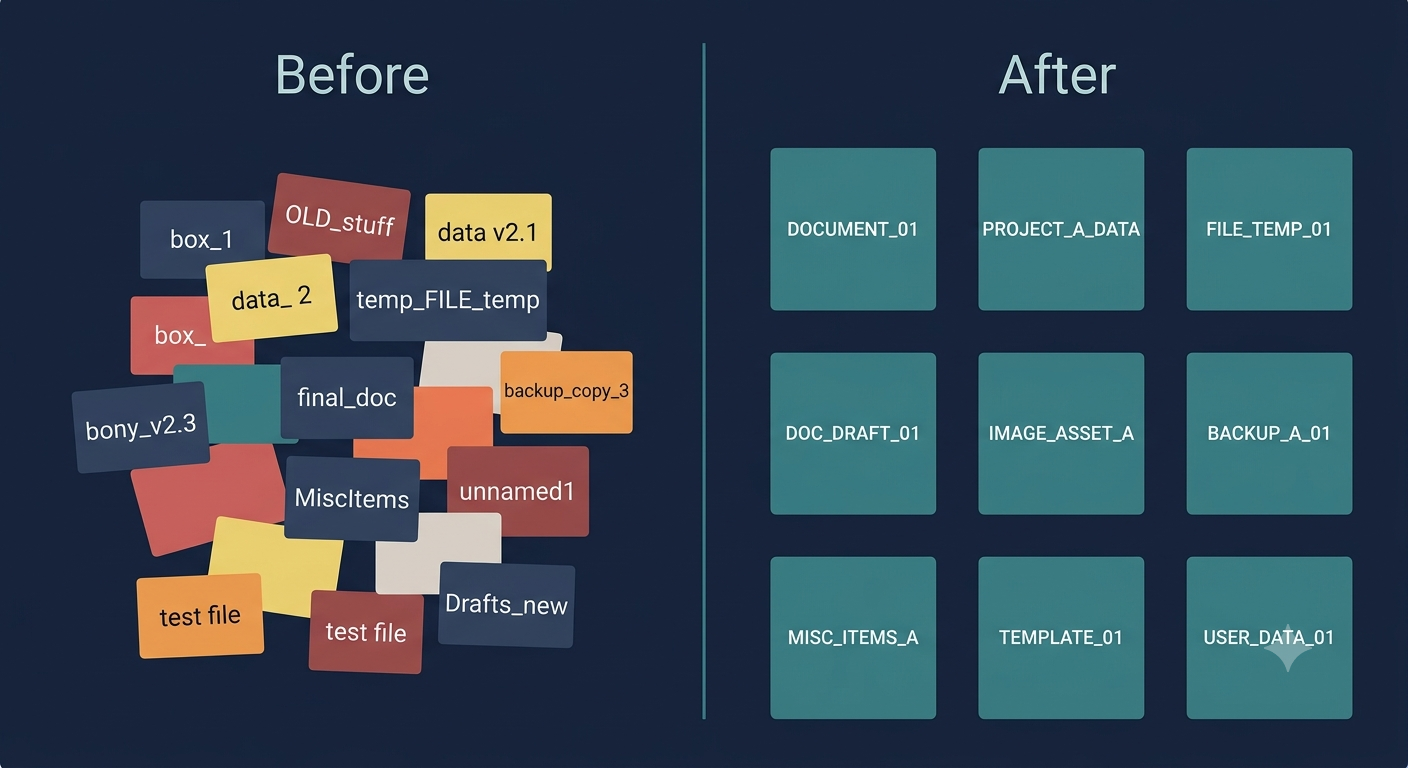
Palantir Ontology has no enforced code/description split like SAP master data. Without a naming standard set from day one, Object Type and Property names collapse into chaos as the ontology grows.
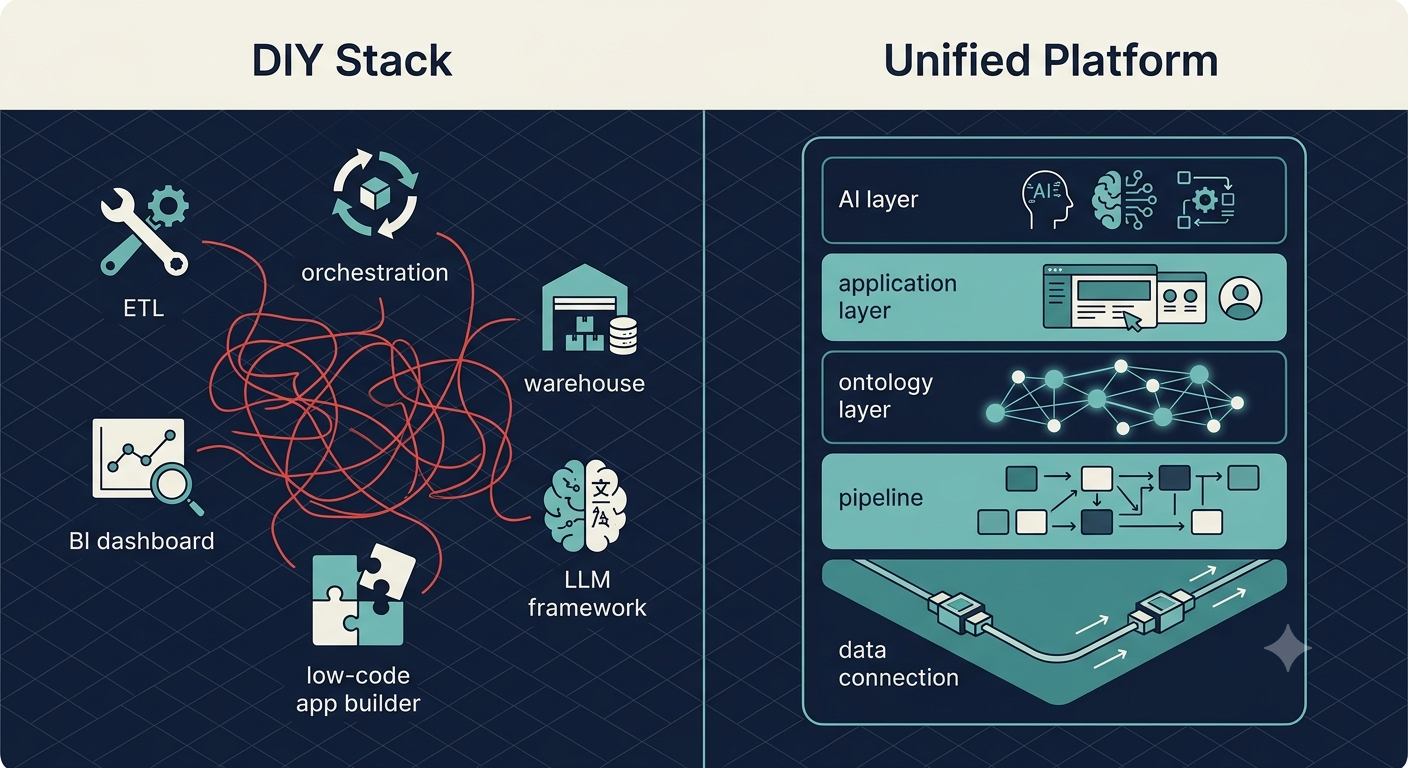
A practitioner’s TCO-based framework for deciding whether Palantir is worth its price: integrated platform vs. tool sprawl, why better LLMs don’t remove the need for an ontology, and whether you can build one yourself.
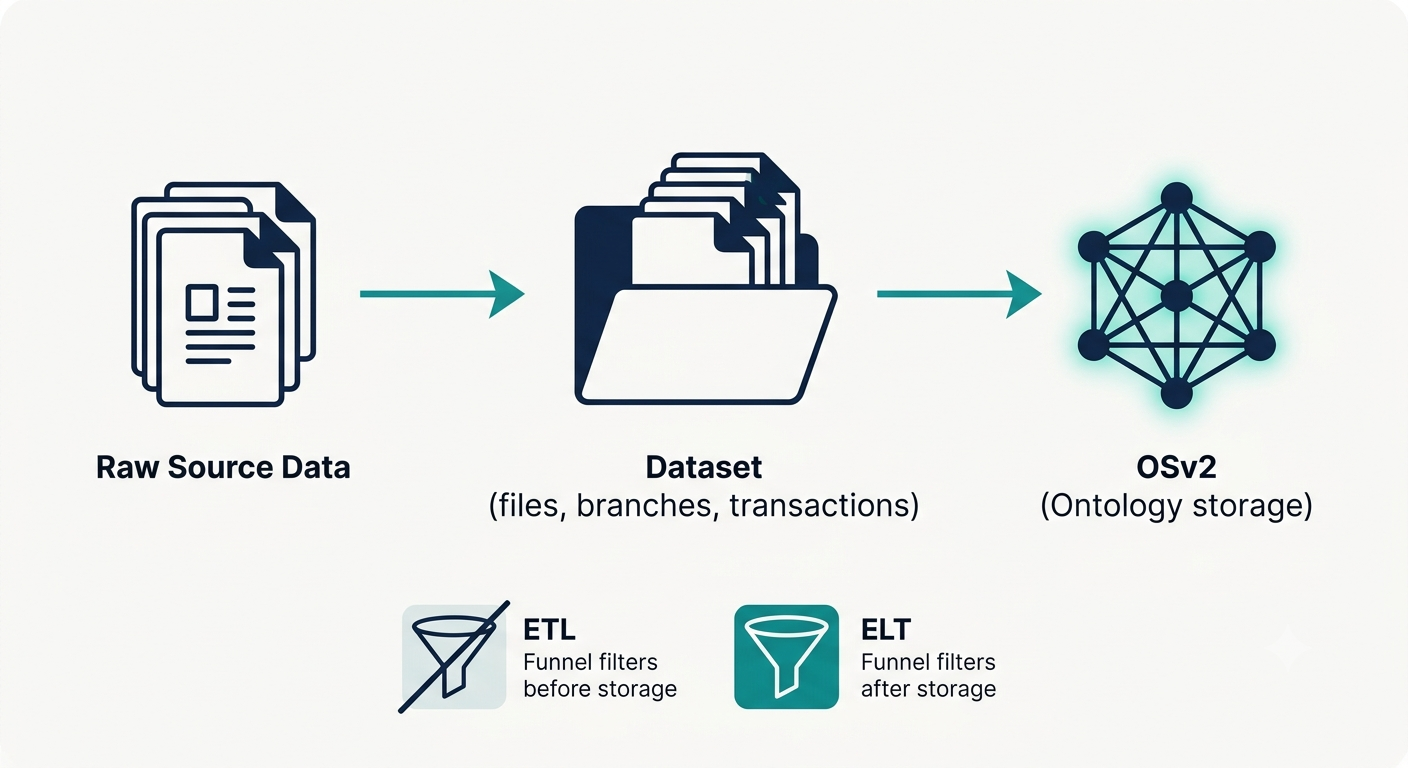
Why Palantir Foundry stores data as file-based Datasets with Git-like branches and transactions, and how OSv2 turns that into an ontology’s actual storage layer.
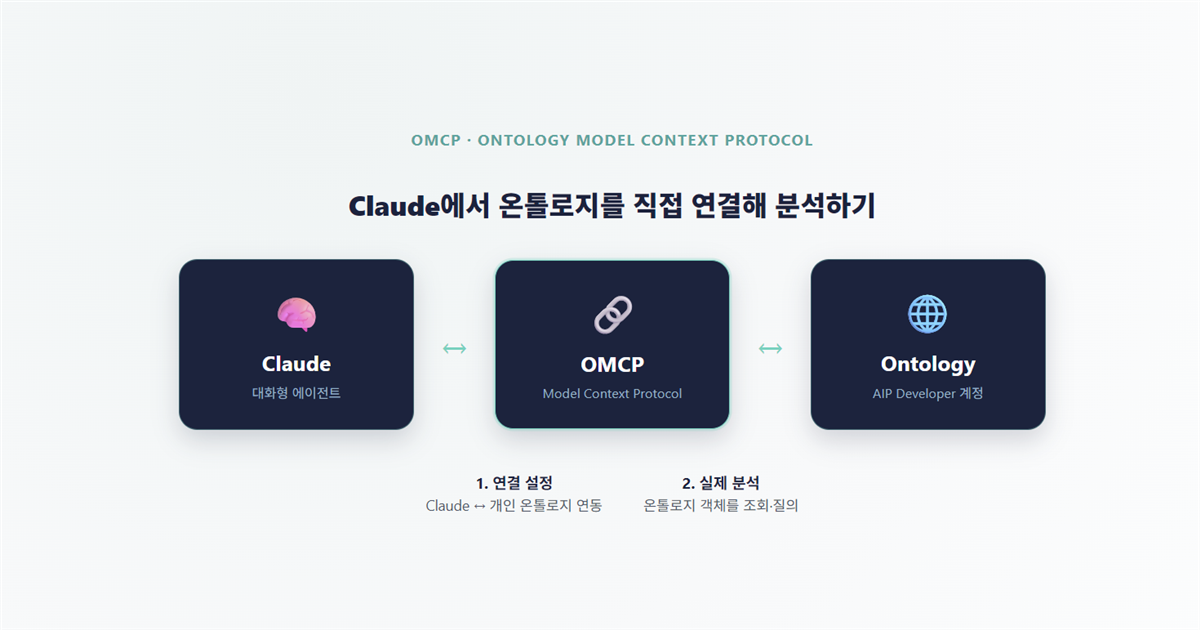
How to make Claude answer questions like ‘analyze last month’s top customer segment’ without opening the Foundry UI. Covers the 4 connection steps and where people usually get stuck.
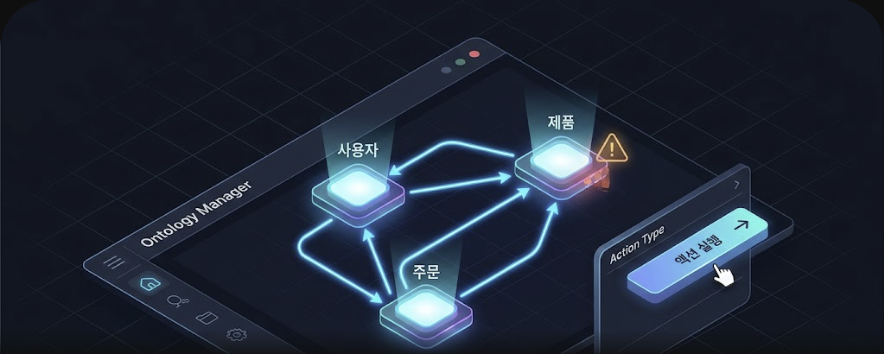
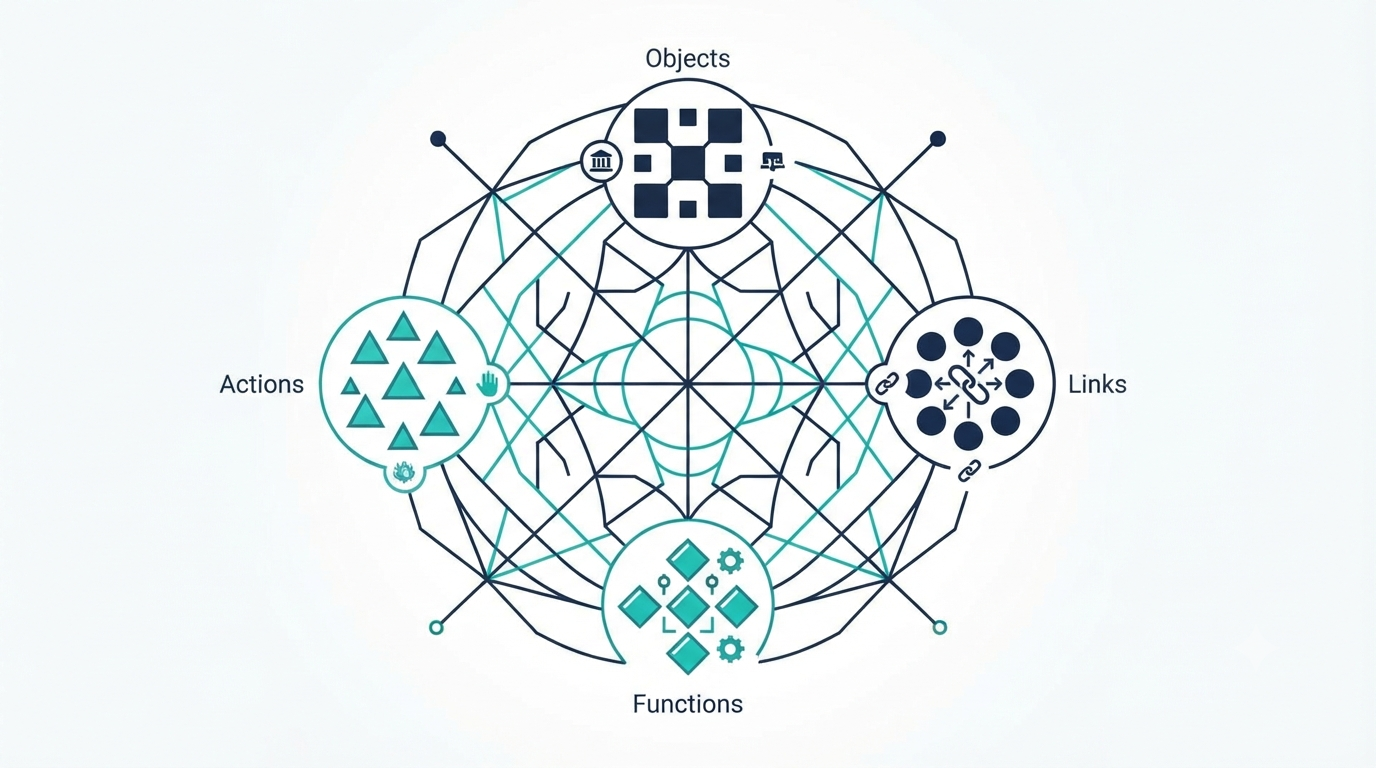
Walk through building an Object Type, Link Type, and Action Type end to end using a single Equipment example, with 3 common design mistakes to avoid.
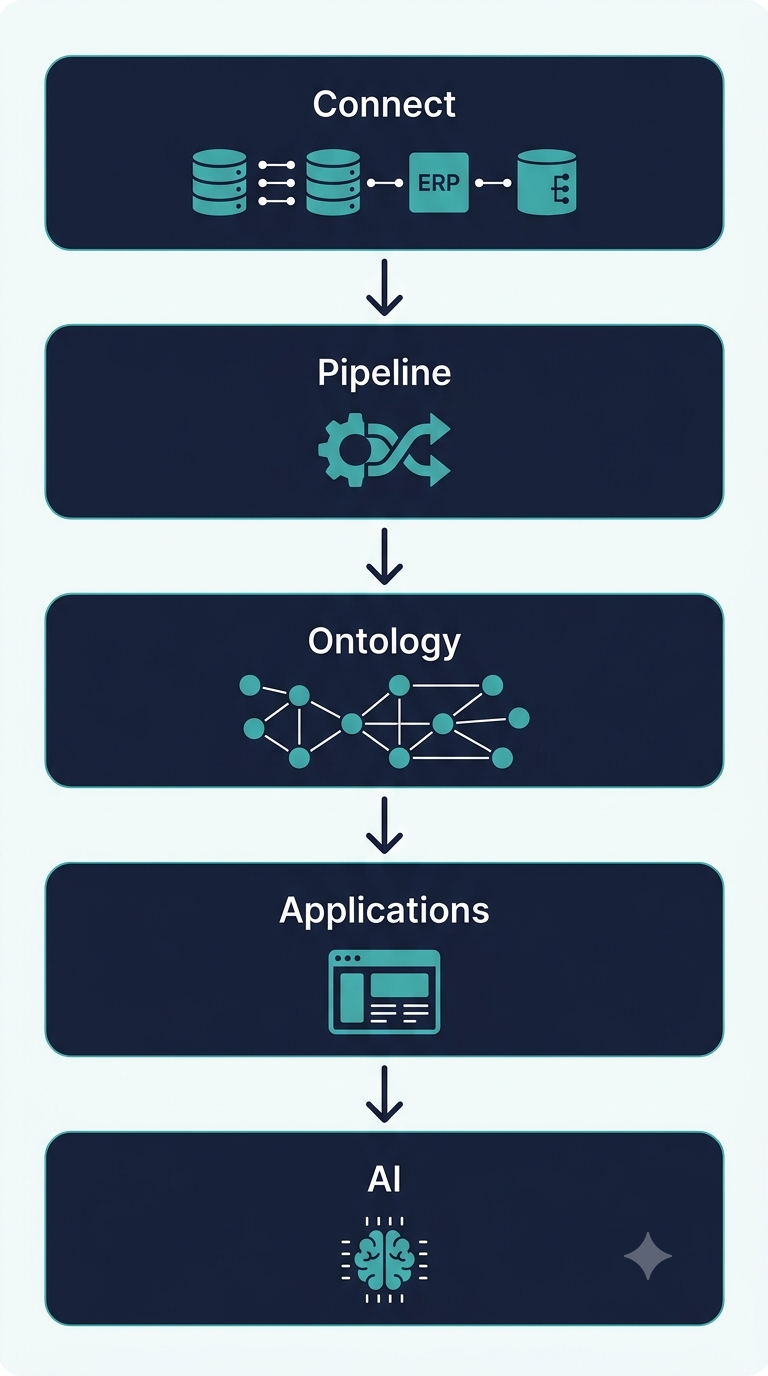
Why does Foundry have so many applications? A practitioner’s map of the five-layer architecture — Connect, Pipeline, Ontology, Applications, AI — and how it differs from a traditional BI/ETL stack.
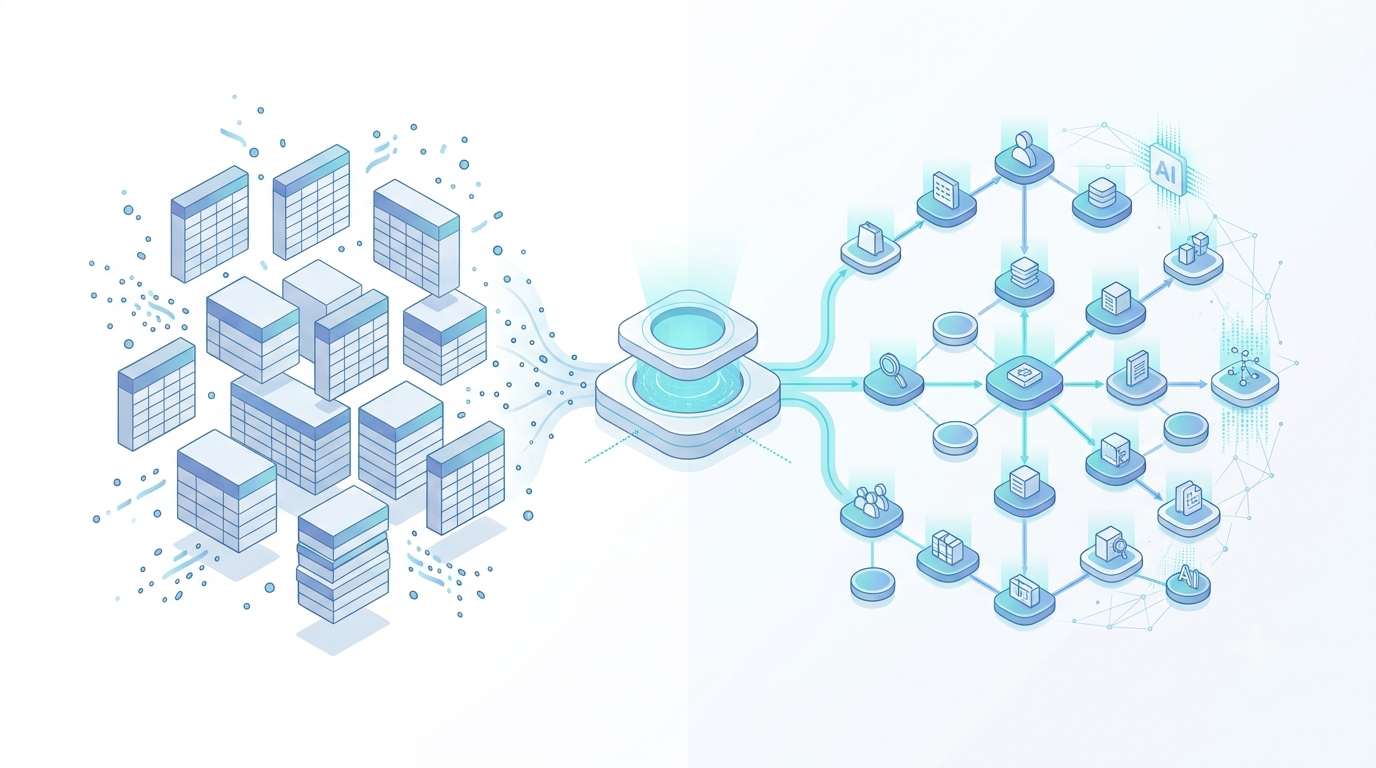
Palantir Ontology explained by someone who runs Foundry in production: what it actually is, how it differs from a data model or knowledge graph, and when you don’t need one.