Latest posts
-
We Threw Everything in the Box, Then Couldn’t Find What We Needed — 6 Real-World Ontology Design Mistakes
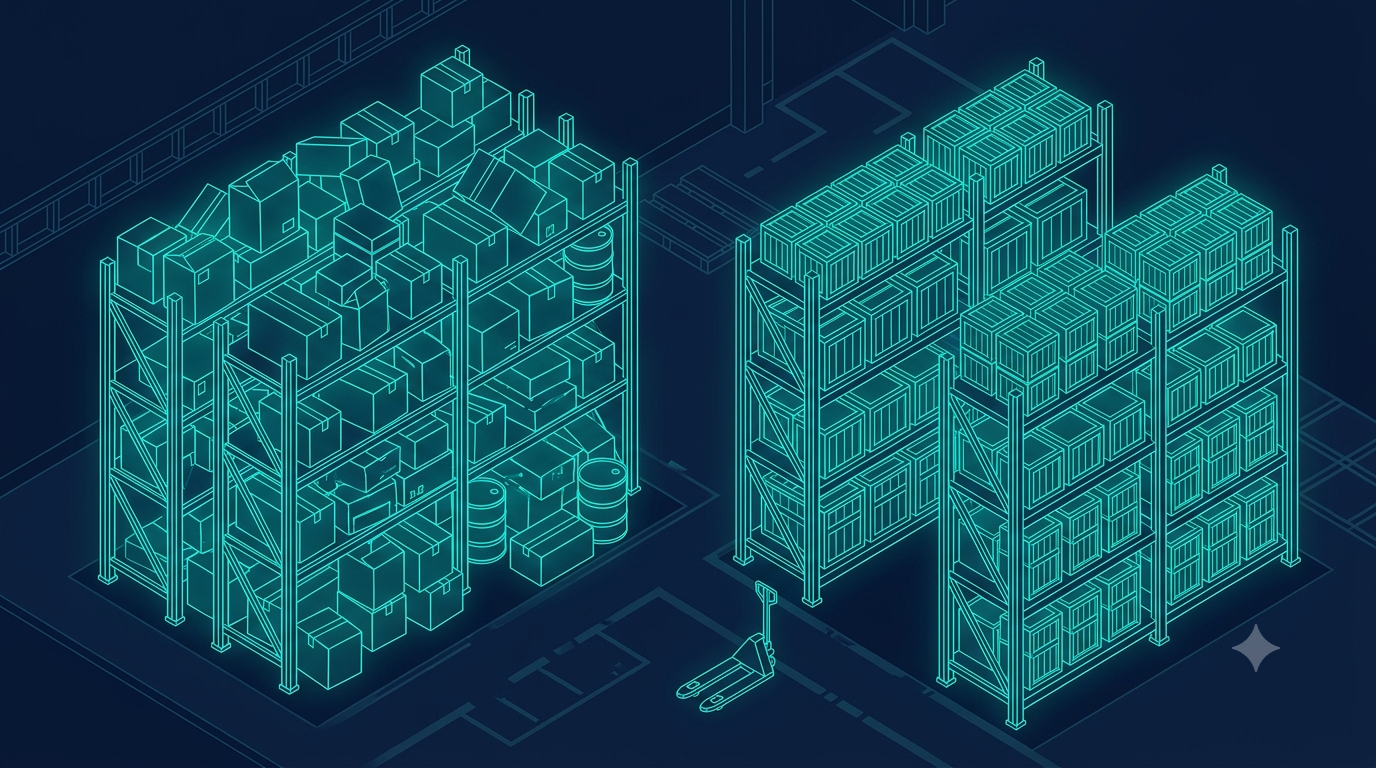 A warehouse-organization take on Palantir’s official ontology design anti-patterns document. God Object, Kitchen Sink, Golden Hammer, and other real-world design mistakes explained with concrete examples.
 -
Blueprint or Finished Building? Ontology vs. Knowledge Graph, Explained
 An ontology is the blueprint; a knowledge graph is the building built from it. Here’s how Palantir’s ontology takes that one step further, and how RDB, knowledge graphs, and ontologies fit together as one continuum.
 -
RDB Joins vs. Ontology Traversal: The Same Question, Two Data Approaches
 How RDB joins and Palantir Ontology traversal answer the same business question differently, illustrated with a corporate card limit lookup.
 -
I Took Apart the Seven Pieces of an Ontology Using a Single Machine
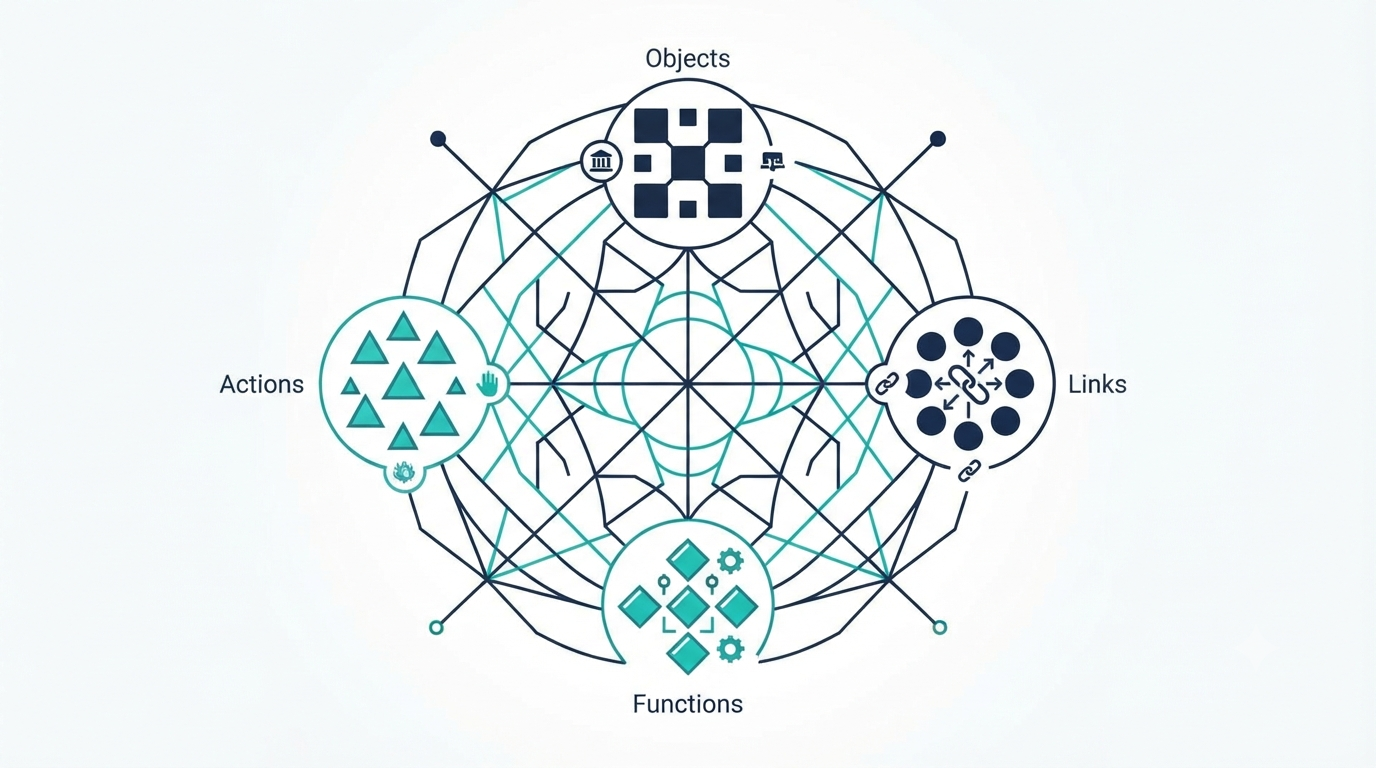 I Get the Concept, But What Do I Actually Have to Define? You’ve probably heard an Ontology described as “a map that translates a company’s reality into something software can understand.” But the moment you actually try to build one, you hit a wall: “Okay, so what do I actually need to define?” This article […]
 -
When Customer and Client Both Exist in the Same Ontology — What Happens When Naming Falls Apart
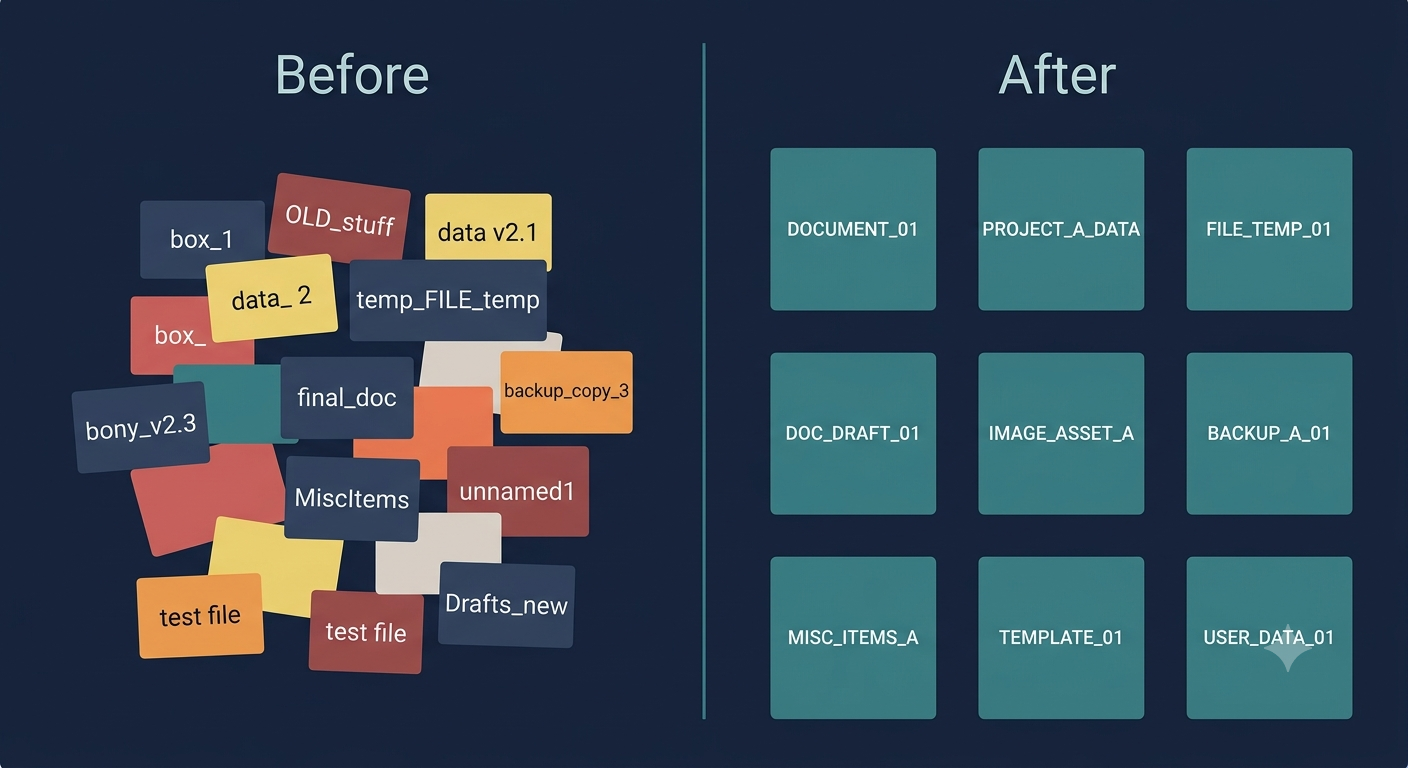
Palantir Ontology has no enforced code/description split like SAP master data. Without a naming standard set from day one, Object Type and Property names collapse into chaos as the ontology grows.
-
What Is Palantir Ontology? A Practitioner’s Explanation

Palantir Ontology explained by someone who runs Foundry in production: what it actually is, how it differs from a data model or knowledge graph, and when you don’t need one.