Latest posts
-
Analyzing Ontology Data on a Personal AIP Developer Account via OMCP
 Why You Can Analyze Data on a Personal Account Too The OMCP setup guide covered the basic structure of connecting Claude to an Ontology. This post covers applying that structure to a personal AIP Developer account to actually analyze data. Without any company infrastructure, you can connect an Ontology built inside your own personal account […]
 -
Setting Up OMCP: Connecting Claude in the Developer Console
 Why OMCP Exists For an LLM like Claude to make use of Ontology data, copy-pasting text in on an ad hoc basis only gets you so far. OMCP (Ontology Model Context Protocol) builds on MCP (Model Context Protocol) — the open-source protocol Anthropic released — to hand an Ontology’s objects and relationships to Claude as […]
 -
AIP Logic: Pairing LLM Reasoning with Deterministic Workflows
 Why AIP Logic Exists LLMs are flexible, but by nature non-deterministic — nothing guarantees the same question gets the same answer every time. AIP Logic is an authoring tool for visually designing that LLM reasoning ability alongside deterministic logic blocks — conditionals (if/else), loops, API calls — so the unpredictable part stays contained inside controllable […]
 -
AIP Assist: Your Ontology-Aware Data Copilot
 Why AIP Assist Exists If AIP Logic is a tool for designing a specific workflow, AIP Assist is an operating copilot that sits beside the user and handles query writing, code generation, and data analysis on request, in natural language. What sets it apart from a generic chatbot is that AIP Assist answers with an […]
 -
AIP Chatbot Studio: Building Shared Conversational Interfaces
 Why Chatbot Studio Exists If AIP Assist is a personal assistant that helps an individual user, Chatbot Studio is a no-code/low-code tool for designing and deploying conversational interfaces that many users share at once. Relying on a pure LLM chatbot alone means even highly standardized tasks (checking a reservation, answering an FAQ) can get answered […]
 -
AIP Analyst: The AI Agent That Runs Its Own Analysis
 Why AIP Analyst Exists If AIP Assist is a personal assistant that reacts to whatever you ask it in the moment, AIP Analyst is closer to an autonomous agent that carries an entire analysis task through from start to finish. It goes beyond simply writing SQL for you — it plans the analysis itself, executes […]
 -
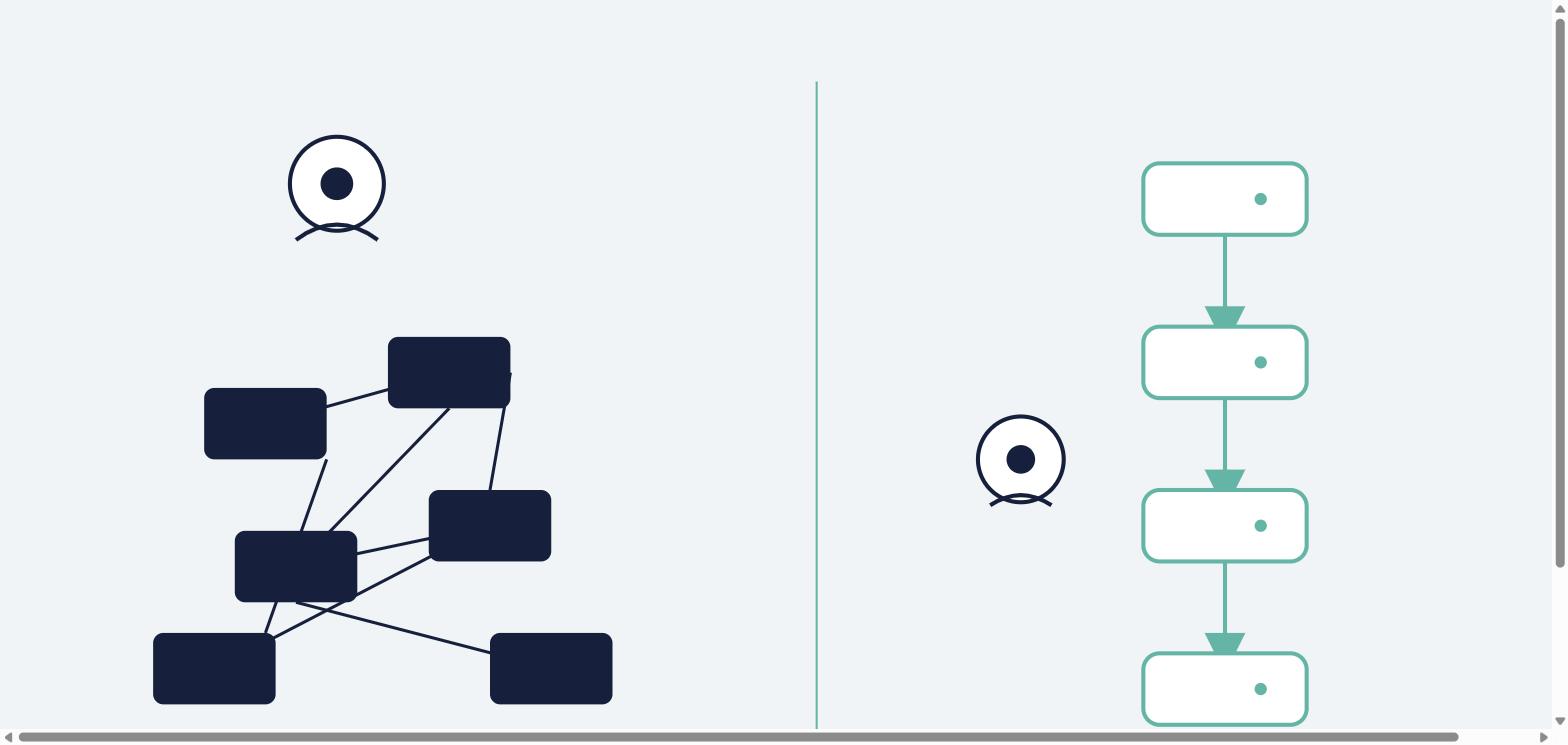
How Palantir AIP Grounds LLMs in the Ontology
-
Palantir Gave the FDE Role to an AI Too — The Complete Guide to AIP’s ‘AI FDE’

What Palantir’s AI FDE actually does, its nine development modes and how to use them in practice, community know-how, real problems users have hit, and a critical look at the FDE model it’s built on.
-
What Is Palantir AIP? The AI Layer Built Into Foundry
 Summary — AIP (AI Platform) is the generative-AI layer built into Palantir Foundry, using the Ontology as context to run LLMs safely on top of enterprise data. Unlike wiring a general-purpose LLM API in directly, it comes with permissions (RBAC), audit logs, and a choice of models, and features like Assist, Logic, Chatbot Studio, and […]
 -
Designing AI Agents and Workflows in AIP: FDE and Logic
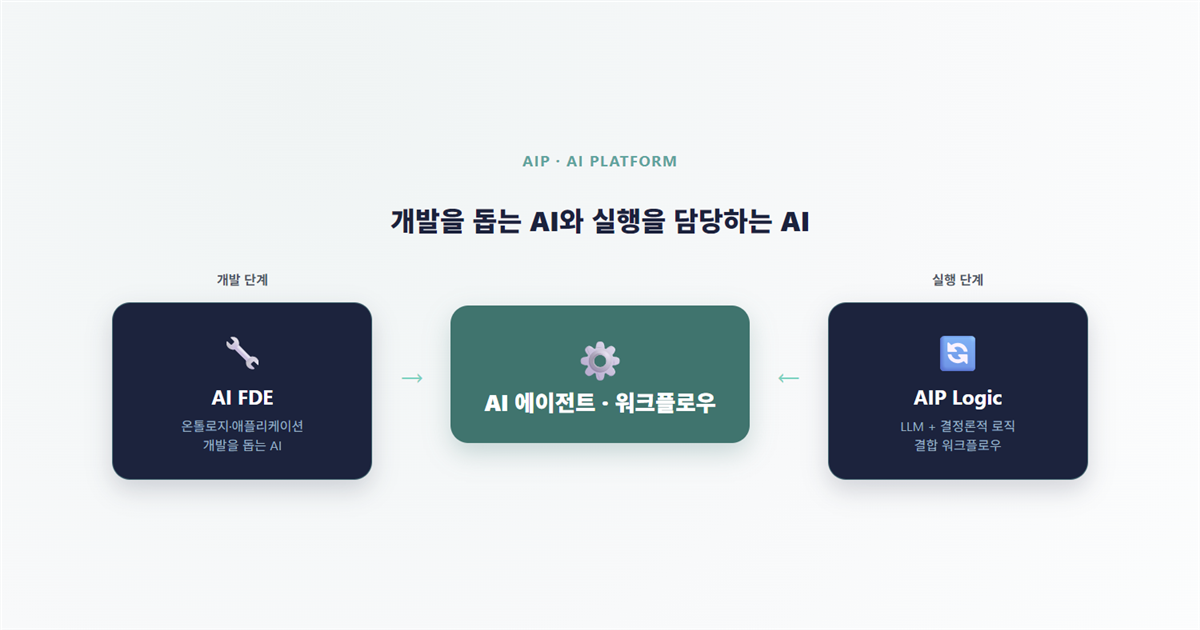
Using a purchase order approval workflow as the example, walk through how AI FDE drafts it and AIP Logic turns that draft into an executable business process.