Latest posts
-
AI’s Next Advantage Is the Meaning of Data
 Moving beyond productivity gains to customer value — the semantic layer and Ontology What This Article Argues Organizations are already deploying AI to draft documents, search for information, write code, and handle customer inquiries faster. Real productivity gains from this are already being documented. But processing work faster doesn’t, by itself, create new value for […]
 -
Why Enterprise AI Stalls at the Chatbot Stage
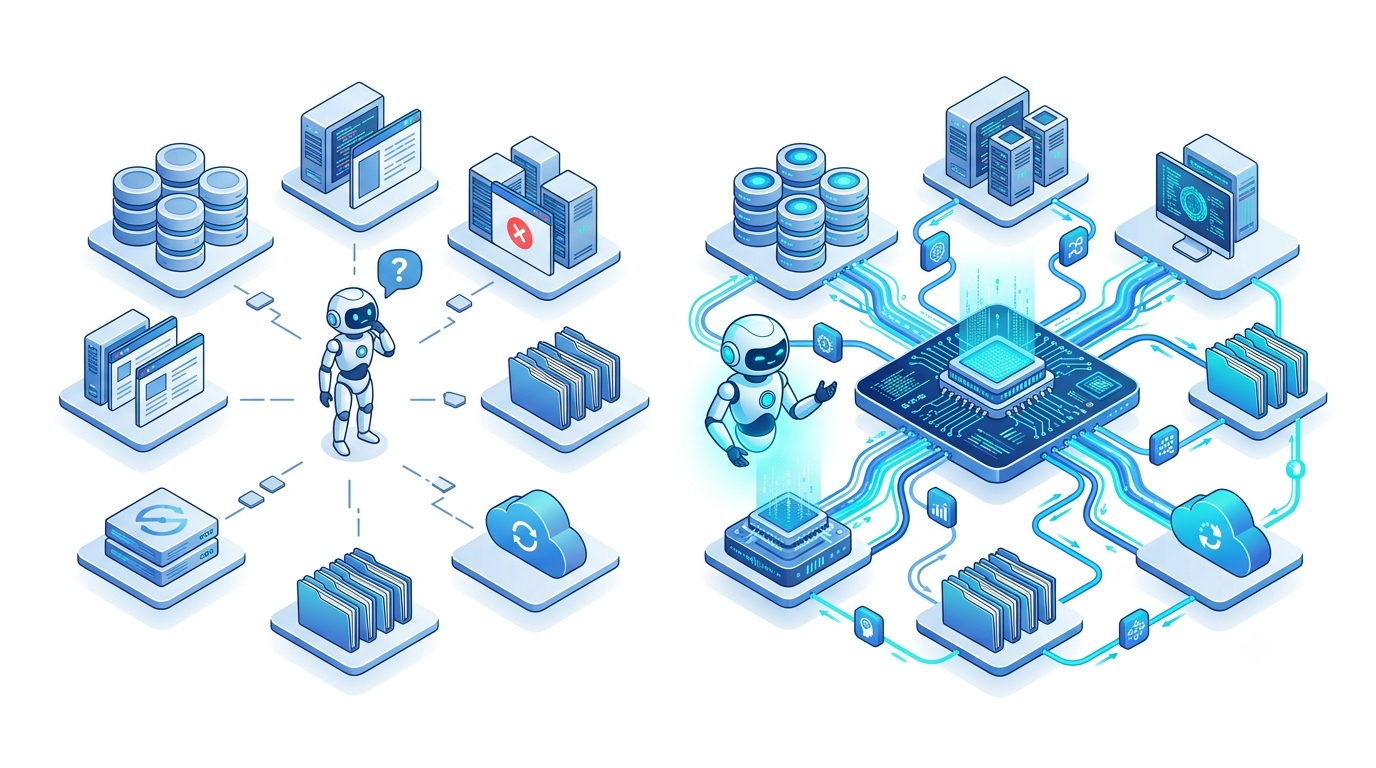 Who This Article Is For The chatbot pilot went smoothly. Then, right before a company-wide rollout, it just stopped. This is for anyone who’s run an internal chatbot pilot and hit a wall at the actual deployment stage — or a practitioner who just got asked, “let’s build a chatbot on our company data too.” […]
 -
AI Agent Concepts, Hands-On: Build a Budget Summary App
 Summary — Reading about AI agents, prompt/context engineering, harness engineering, and agentic engineering only gets you so far without hands-on practice. This article builds a simple “budget summary app” together, walking through all four concepts step by step. Instead of real screenshots, each step includes the exact example prompts you’d type and example responses AI […]
 -
Agentic Engineering and the PH-AH Loop: Not Vibe Coding
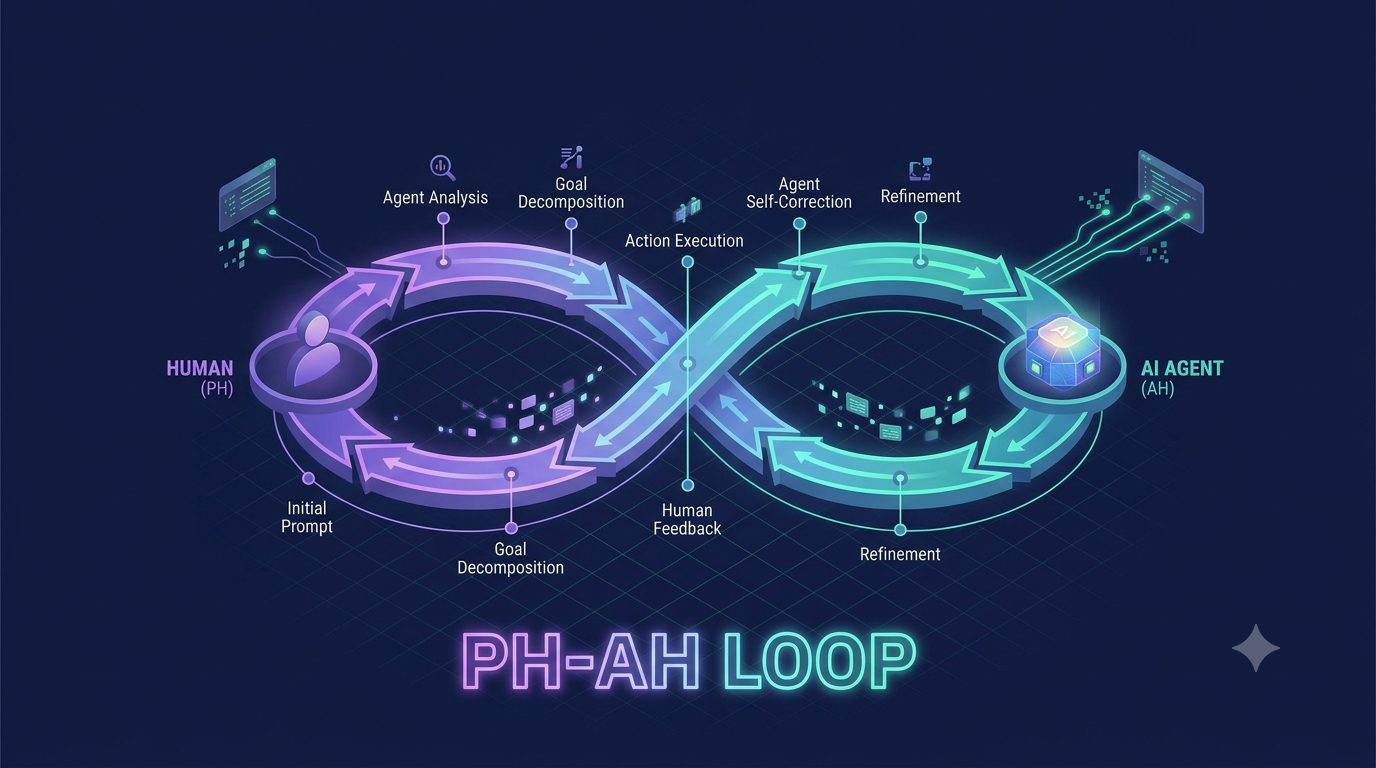 Summary — Agentic engineering is a collaboration style where AI produces the work, but a person reviews and confirms it at every planning and execution step. This repeating structure is called the PH-AH loop (Plan-Human, Action-Human). It sits at the exact opposite end of the spectrum from vibe coding — “using AI-generated code without ever […]
 -
What Is Harness Engineering? Keeping AI Agents Reliable
 Summary — Harness engineering means designing the mechanisms, rules, and techniques that let an AI agent keep pursuing a goal reliably over a long task. No matter how good the underlying model gets, without a harness an agent will end up convincing itself it’s “done” or wrapping up a task too early. The previous article […]
 -
Prompt Engineering vs. Context Engineering: What Is the Difference?
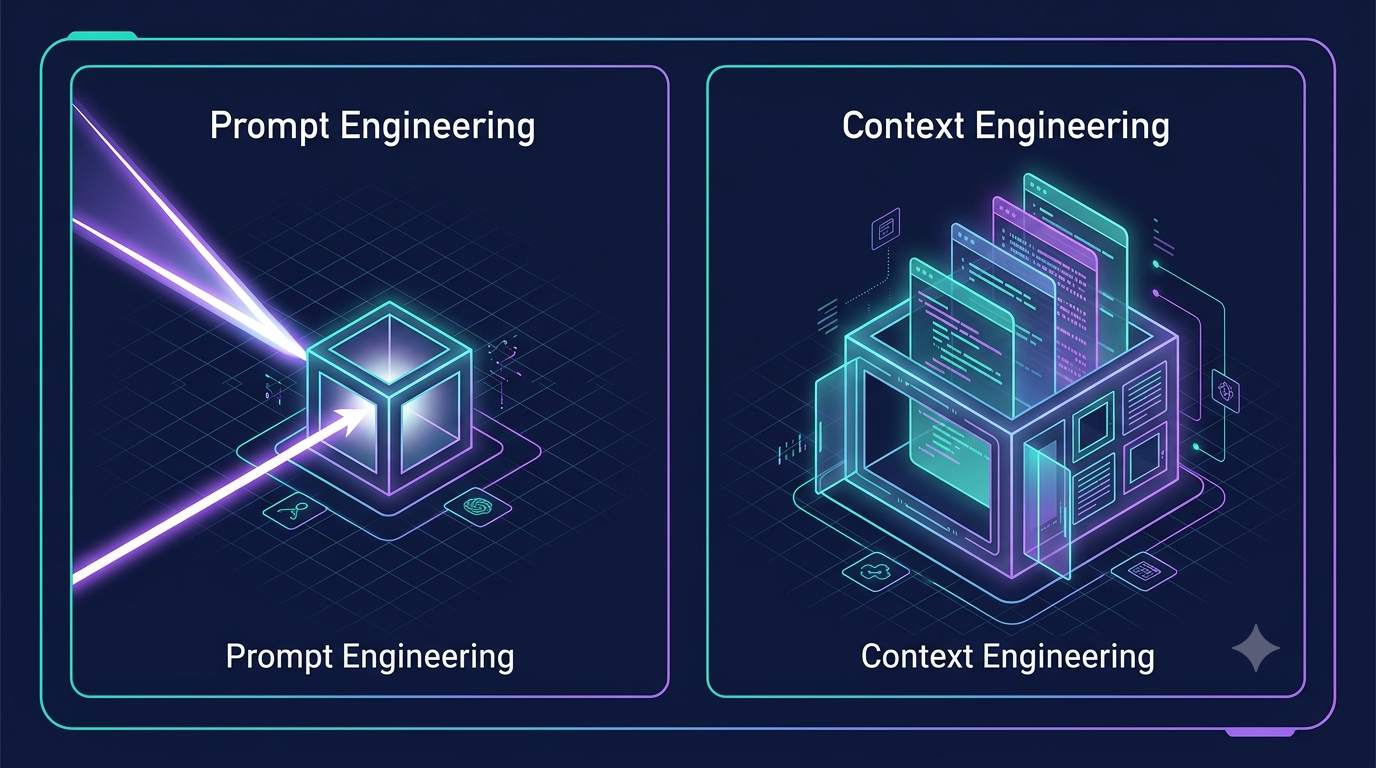 Summary — Prompt engineering is know-how about “how to phrase what you say” to an AI. Context engineering is know-how about “what information, structured how, to pre-load” before you ever say anything. The former focuses on a single instruction; the latter focuses on the information environment that needs to already be in place before that […]
 -
What Is an AI Agent? Context, Subagents, Skills, and MCP Explained
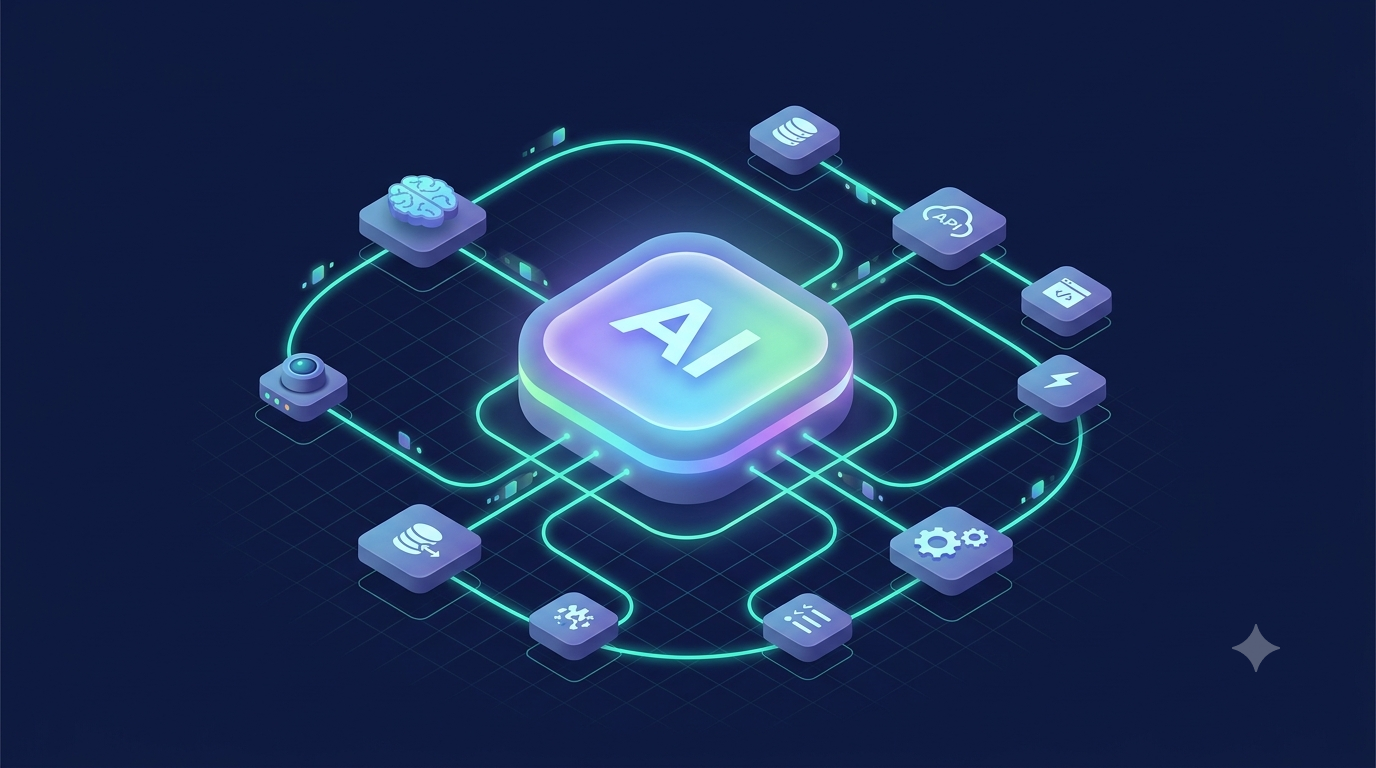 Summary — Unlike a chatbot that only answers questions, an AI agent is a program that creates files, runs commands, and carries itself through multiple steps on its own. This article walks through, in order: the Context Window, where an agent holds what it currently knows; the Subagent, a way to split roles across agents; […]
 -
Setting Up an AI Agent Practice Environment (Part 0: Before You Start)
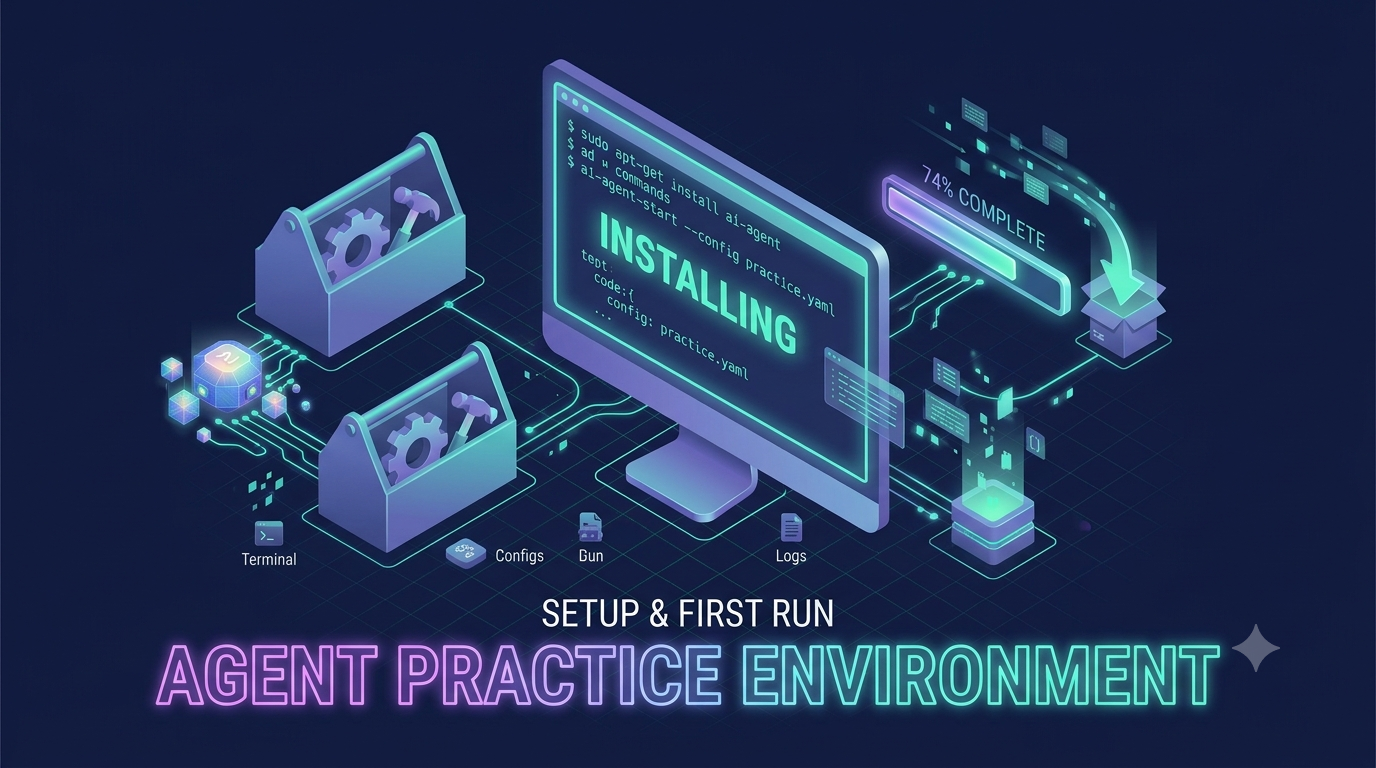 Summary — The hands-on tutorial in this series is written so you can follow along with any AI coding agent, but it’s much easier to follow when everyone starts with the same tool and sees the same screen. This article covers Anthropic’s Claude Code specifically, from installation through confirming it “actually runs.” Writing code starts […]
 -
We Connected ChatGPT to Company Data — Why It Disappointed Us
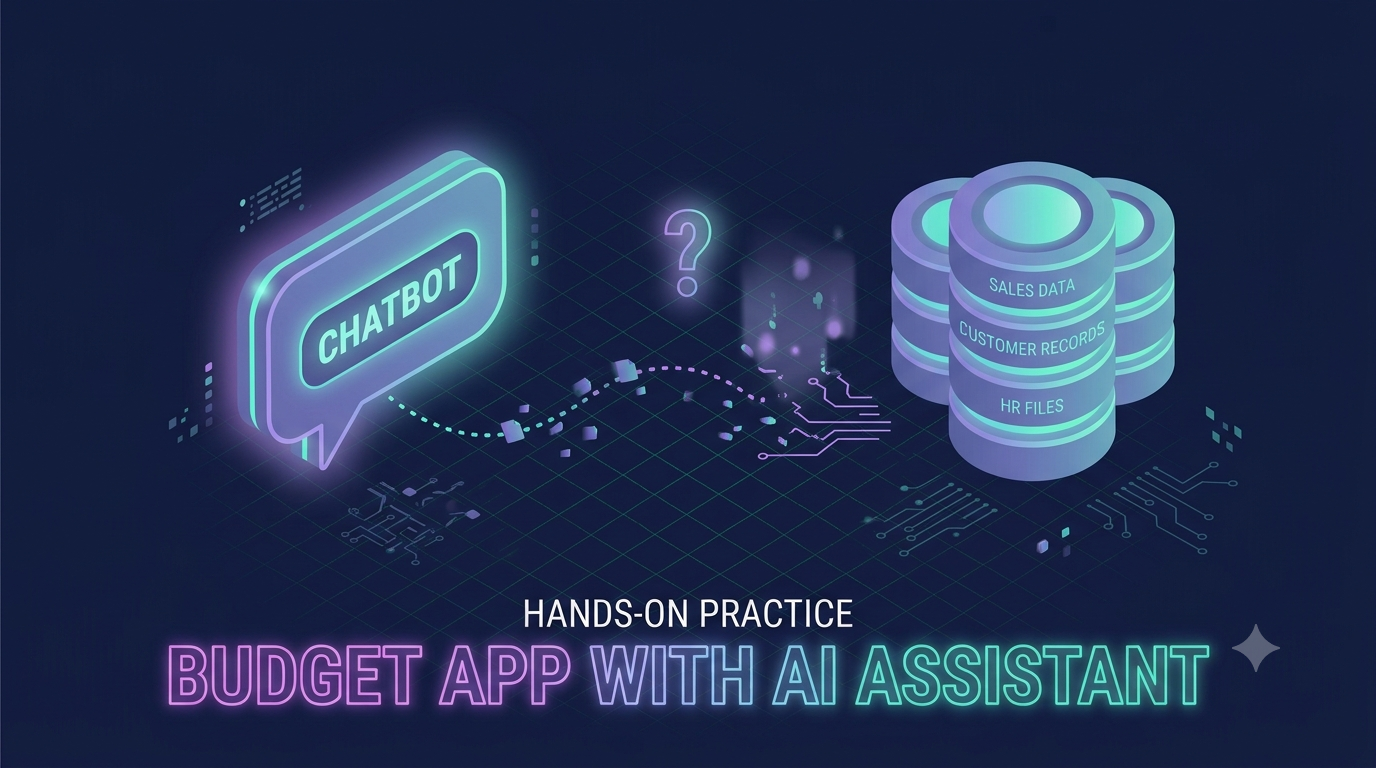 Ever connected ChatGPT to your internal documents and databases, only to find it fell well short of what you expected once you actually used it? This article breaks down why that disappointment happens, and what has to change to move past it, from a practitioner’s point of view. Between 2023 and 2024, a huge number […]
 -
One Column Called IS_ACTIVE Confused an Entire Company
 What IS_ACTIVE Actually Meant Say a customer table has a column called IS_ACTIVE. Just from the name, you’d assume it means “is this customer currently active.” At this particular company, though, it actually meant “is this customer flagged for contract renewal next quarter.” Even a dormant customer with an expired contract and zero activity would […]